Blog
Common Lubrication Mistakes That Damage Machinery

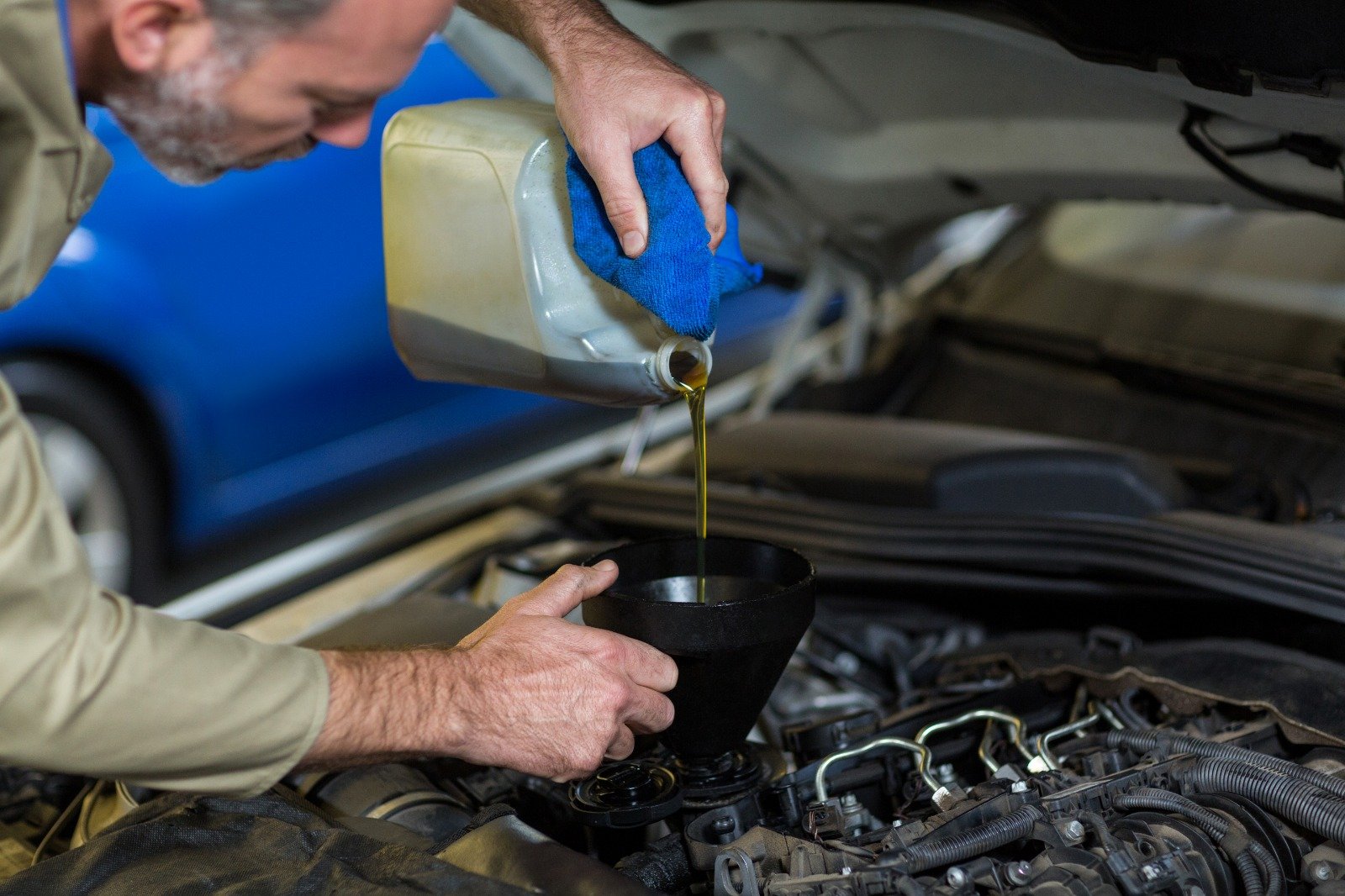
Lubrication is one of the most important aspects of preventive maintenance, yet it is often overlooked. Whether it’s industrial machinery, construction equipment, agricultural vehicles, or manufacturing systems, proper lubrication ensures smooth operation, minimizes wear, and extends equipment life.
Unfortunately, many equipment failures are not caused by manufacturing defects but by incorrect lubrication practices. Using the wrong lubricant, ignoring maintenance schedules, or allowing contamination into the system can lead to excessive friction, overheating, bearing failure, gearbox damage, and costly downtime.
By understanding the most common lubrication mistakes and learning how to avoid them, businesses can improve productivity, reduce maintenance costs, and maximize the lifespan of valuable machinery.
Why Proper Lubrication Matters
Lubricants create a protective film between moving metal surfaces, reducing direct contact and preventing excessive wear. They also help control operating temperatures, remove contaminants, protect against corrosion, and improve overall machine efficiency.
Without proper lubrication, machinery is exposed to increased friction, heat, vibration, and premature component failure.
Common Lubrication Mistakes
1. Using the Wrong Lubricant
One of the biggest mistakes is selecting a lubricant that does not meet the manufacturer’s specifications.
Using the wrong viscosity or additive package can reduce lubrication efficiency, increase wear, and damage components.
Always select lubricants according to equipment requirements.
2. Mixing Different Lubricants
Different lubricant brands and formulations contain unique additive packages.
Mixing incompatible lubricants may cause:
- Reduced lubrication performance
- Chemical incompatibility
- Sludge formation
- Foam generation
- Reduced oil life
Whenever changing lubricant brands or grades, flush the system if recommended.
3. Over-Lubrication
Adding too much lubricant is just as harmful as adding too little.
Excess lubrication may cause:
- Increased operating temperatures
- Seal damage
- Grease leakage
- Higher energy consumption
- Bearing failure
Always follow the recommended lubricant quantity.
4. Under-Lubrication
Insufficient lubrication leads to metal-to-metal contact, excessive friction, overheating, and accelerated wear.
Low lubricant levels should be corrected immediately.
5. Ignoring Oil Change Intervals
Lubricants deteriorate over time due to heat, oxidation, and contamination.
Delaying oil changes increases the risk of:
- Sludge buildup
- Corrosion
- Reduced efficiency
- Equipment failure
Follow the maintenance schedule recommended by the equipment manufacturer.
6. Contamination
Dust, water, dirt, and metal particles are among the most common causes of lubricant failure.
Keep lubricant containers sealed and maintain clean storage and handling practices.
7. Ignoring Oil Analysis
Routine oil analysis helps detect contamination, oxidation, and abnormal wear before serious failures occur.
It allows maintenance teams to address problems early and avoid expensive repairs.
Best Lubrication Practices
- Always use premium-quality lubricants.
- Follow manufacturer recommendations.
- Store lubricants properly.
- Replace filters regularly.
- Inspect lubricant condition frequently.
- Prevent water and dust contamination.
- Maintain proper lubricant levels.
- Train maintenance personnel.
Benefits of Proper Lubrication
- Longer equipment life
- Lower maintenance costs
- Reduced downtime
- Improved efficiency
- Better energy savings
- Increased reliability
- Cleaner machinery
- Enhanced productivity