Blog
How to Choose the Right Engine Oil for Your Vehicle

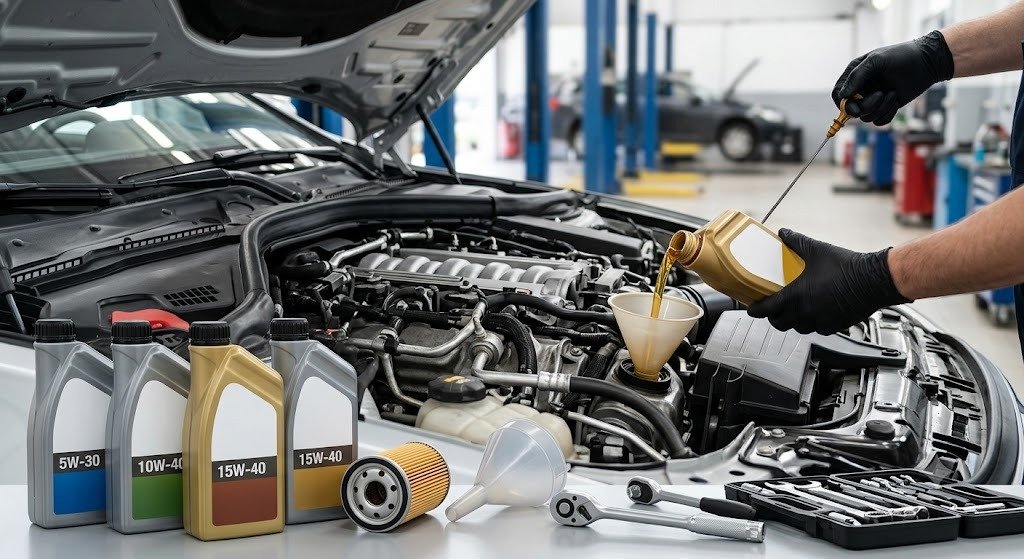
Your vehicle’s engine is one of its most valuable and sophisticated components. Every time you start your vehicle, hundreds of metal parts move at high speeds while generating intense heat and friction. Without proper lubrication, these components can wear out rapidly, leading to reduced engine performance, increased fuel consumption, and expensive repair costs.
Engine oil is much more than a lubricant. It plays a critical role in protecting your engine by minimizing friction, dissipating heat, preventing corrosion, reducing wear, and keeping internal engine components clean. High-quality engine oil also helps improve fuel efficiency and ensures reliable performance under a wide range of driving conditions.
Whether you drive a passenger car, SUV, commercial vehicle, or heavy-duty truck, selecting the right engine oil is essential for maximizing engine life and maintaining peak performance. Understanding viscosity grades, performance standards, and oil types will help you make the right choice for your vehicle.
Why Choosing the Right Engine Oil Matters
Selecting the correct engine oil is essential for maintaining engine efficiency, reliability, and longevity. Using an oil with the wrong viscosity or specifications can reduce lubrication performance, increase engine wear, and negatively affect fuel economy.
High-quality engine oil provides a protective film between moving metal components, helping to reduce friction and minimize wear. It also removes heat from critical engine parts, keeps contaminants suspended until they are filtered out, and protects against rust, oxidation, and sludge formation.
Modern engines are designed with tighter tolerances and higher operating temperatures than ever before. As a result, using premium engine oil that meets the manufacturer’s recommended specifications is crucial for ensuring consistent performance and preventing premature engine failure.
Benefits of Choosing the Right Engine Oil
- Protects critical engine components from wear
- Improves fuel efficiency
- Reduces friction and heat generation
- Prevents sludge and harmful deposits
- Keeps the engine clean and efficient
- Provides faster lubrication during cold starts
- Extends oil drain intervals
- Improves overall engine performance and reliability
Understanding SAE Viscosity Grades
One of the most important factors when selecting engine oil is its SAE (Society of Automotive Engineers) viscosity grade. The viscosity rating indicates how the oil flows at different temperatures and helps ensure proper lubrication throughout the engine.
Common viscosity grades include:
SAE 5W-30
SAE 5W-30 is one of the most commonly recommended grades for modern passenger vehicles. It provides excellent cold-start performance, allowing the oil to circulate quickly during startup while maintaining sufficient protection at normal operating temperatures. This grade is ideal for improving fuel efficiency and year-round performance.
SAE 10W-40
SAE 10W-40 offers a slightly thicker viscosity at operating temperatures, making it suitable for vehicles operating in moderate to warm climates. It provides enhanced protection for older engines and vehicles that experience higher operating temperatures.
SAE 15W-40
SAE 15W-40 is widely used in diesel engines, commercial vehicles, and heavy-duty equipment. Its higher viscosity provides outstanding protection under heavy loads, high operating temperatures, and demanding working conditions.
Understanding the “W” Rating
The number before the letter “W” (Winter) represents the oil’s ability to flow during cold starts. Lower numbers indicate better low-temperature performance, allowing the engine to receive lubrication more quickly after startup.
The second number represents the oil’s viscosity at normal engine operating temperatures. Choosing the correct viscosity ensures proper lubrication, improved engine efficiency, and long-term durability.
Always use the viscosity grade recommended by your vehicle manufacturer for optimal performance and protection.
Benefits of Premium Synthetic Engine Oil
Premium synthetic engine oils are engineered using advanced synthetic base oils and high-performance additive technology. Compared with conventional oils, synthetic lubricants offer superior protection, improved efficiency, and longer service life.
Superior Wear Protection
Synthetic engine oils create a strong and durable lubricating film that significantly reduces metal-to-metal contact. This minimizes wear on critical engine components, even under heavy loads and extreme operating conditions.
Excellent Thermal Stability
High engine temperatures can cause ordinary oils to degrade quickly. Premium synthetic oils maintain their stability under extreme heat, ensuring consistent lubrication and protection during prolonged operation.
Improved Fuel Economy
Lower internal friction allows the engine to operate more efficiently, helping reduce fuel consumption and improve overall vehicle performance.
Faster Cold Starts
Synthetic oils flow rapidly at low temperatures, providing immediate lubrication during engine startup. This reduces startup wear and improves engine reliability in cold weather.
Cleaner Engine Performance
Advanced detergent and dispersant additives help prevent sludge, varnish, and carbon deposits from forming inside the engine. A cleaner engine operates more efficiently and experiences less wear over time.
Longer Oil Drain Intervals
Because synthetic oils resist oxidation and thermal breakdown, they maintain their performance for longer periods. This allows for extended oil change intervals, reducing maintenance costs and vehicle downtime.