Blog
Why Regular Lubrication Maintenance Increases Equipment Life

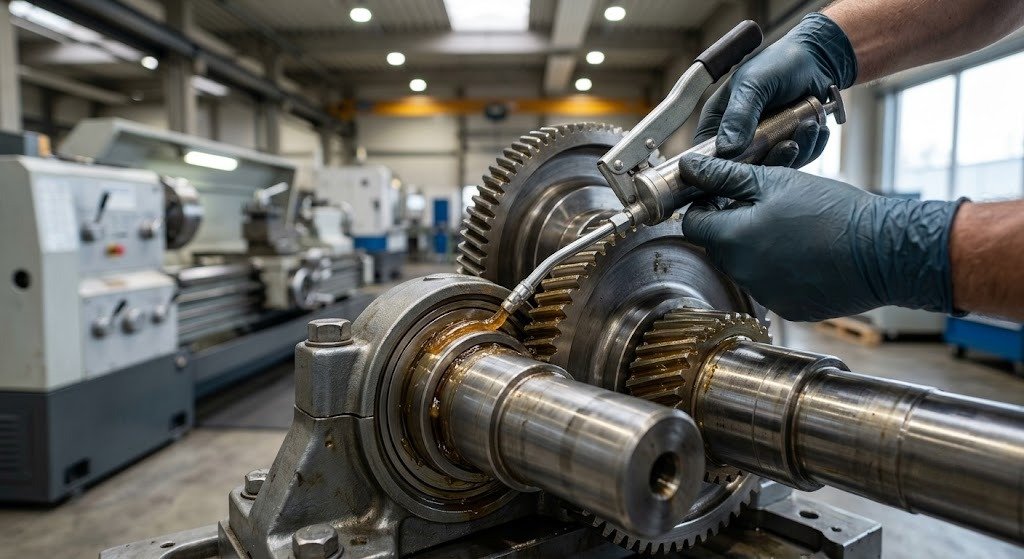
In every industry, machinery is the backbone of daily operations. From manufacturing plants and construction sites to transportation fleets and agricultural equipment, machines are expected to perform efficiently under demanding conditions. However, continuous operation creates friction, heat, and wear between moving components. Without proper lubrication maintenance, these factors can significantly reduce equipment performance, increase maintenance costs, and shorten machinery lifespan.
Lubrication is much more than simply applying oil or grease to moving parts. It is a preventive maintenance practice that protects machinery, improves operational efficiency, minimizes downtime, and reduces costly repairs. Whether it is an industrial gearbox, hydraulic system, engine, compressor, or bearing assembly, the right lubricant ensures smooth operation and long-lasting performance.
Regular lubrication maintenance is one of the most cost-effective ways to extend equipment life while improving productivity and reliability. This article explains why lubrication matters, how it protects machinery, common lubrication mistakes, and best practices for maximizing equipment performance.
What is Lubrication Maintenance?
Lubrication maintenance is the process of inspecting, monitoring, and replacing lubricants at scheduled intervals to ensure machinery operates efficiently. It involves selecting the correct lubricant, maintaining proper oil levels, replacing contaminated fluids, and monitoring equipment condition.
A proper lubrication program helps reduce friction, control operating temperatures, prevent corrosion, and remove contaminants from mechanical systems.
Without regular maintenance, lubricants gradually lose their protective properties due to heat, oxidation, moisture, and contamination. Once this happens, equipment becomes vulnerable to premature wear and unexpected failure.
Why Lubrication is Important
Every machine contains moving metal components that constantly come into contact with each other. Direct metal-to-metal contact creates friction, generates excessive heat, and causes gradual wear.
High-quality lubricants create a protective film between these surfaces, reducing direct contact and allowing components to move smoothly.
Proper lubrication also helps:
- Reduce friction between moving parts
- Dissipate heat generated during operation
- Protect against rust and corrosion
- Prevent sludge and varnish formation
- Keep internal components clean
- Extend equipment service life
- Improve overall operating efficiency
Without lubrication, even the most advanced machinery can experience rapid deterioration.
Benefits of Regular Lubrication Maintenance
1. Extends Equipment Life
Regular lubrication minimizes wear on bearings, gears, shafts, pistons, and other moving components. This significantly extends the operational life of expensive machinery.
2. Reduces Maintenance Costs
Replacing lubricants on time is far less expensive than repairing damaged engines, gearboxes, hydraulic pumps, or compressors. Preventive lubrication helps avoid major breakdowns.
3. Improves Energy Efficiency
When friction is reduced, machines require less energy to operate. This improves efficiency, reduces fuel or electricity consumption, and lowers operating costs.
4. Prevents Overheating
Lubricants absorb and transfer heat away from moving parts, helping maintain safe operating temperatures even during continuous operation.
5. Reduces Equipment Downtime
Unexpected machine failures can stop production and delay projects. Routine lubrication maintenance improves reliability and minimizes costly downtime.
6. Protects Against Corrosion
Moisture and contaminants can cause rust inside mechanical systems. Premium lubricants contain corrosion inhibitors that protect internal metal surfaces.
7. Improves Equipment Reliability
Well-lubricated equipment operates more smoothly, produces less vibration, and performs consistently under heavy workloads.
Common Causes of Lubricant Failure
Even premium lubricants lose effectiveness if not maintained properly.
Common causes include:
- High operating temperatures
- Oxidation
- Water contamination
- Dust and dirt contamination
- Mixing incompatible lubricants
- Extended service intervals
- Incorrect lubricant selection
Regular inspection helps identify these problems before they damage equipment.
Best Practices for Lubrication Maintenance
To maximize equipment life:
- Use the lubricant recommended by the equipment manufacturer.
- Check lubricant levels regularly.
- Replace oil filters during scheduled maintenance.
- Avoid mixing different lubricant types.
- Store lubricants in clean, dry conditions.
- Monitor oil color, odor, and contamination.
- Follow recommended oil change intervals.
- Train maintenance personnel on proper lubrication procedures.
A structured lubrication program reduces maintenance costs and improves equipment reliability.
Industries That Depend on Lubrication
Proper lubrication is essential in many industries, including:
- Manufacturing Plants
- Automotive Industry
- Mining Operations
- Construction Equipment
- Agriculture
- Marine Applications
- Power Generation
- Food Processing
- Steel & Cement Plants
- Chemical Industries
Each industry relies on high-performance lubricants to keep equipment operating safely and efficiently.
Frequently Asked Questions
How often should industrial equipment be lubricated?
Lubrication intervals depend on equipment type, operating conditions, and manufacturer recommendations. Heavy-duty equipment may require more frequent inspections than lightly used machinery.
What happens if lubrication is neglected?
Insufficient lubrication can lead to excessive friction, overheating, bearing failure, corrosion, increased energy consumption, and expensive equipment damage.
Can the wrong lubricant damage equipment?
Yes. Using an incorrect lubricant may reduce protection, increase wear, and negatively affect machine performance.
Why is oil analysis important?
Oil analysis helps detect contamination, oxidation, and wear particles before serious mechanical problems occur, allowing preventive maintenance.