Blog
Hydraulic Oil Selection Guide: Everything You Need to Know

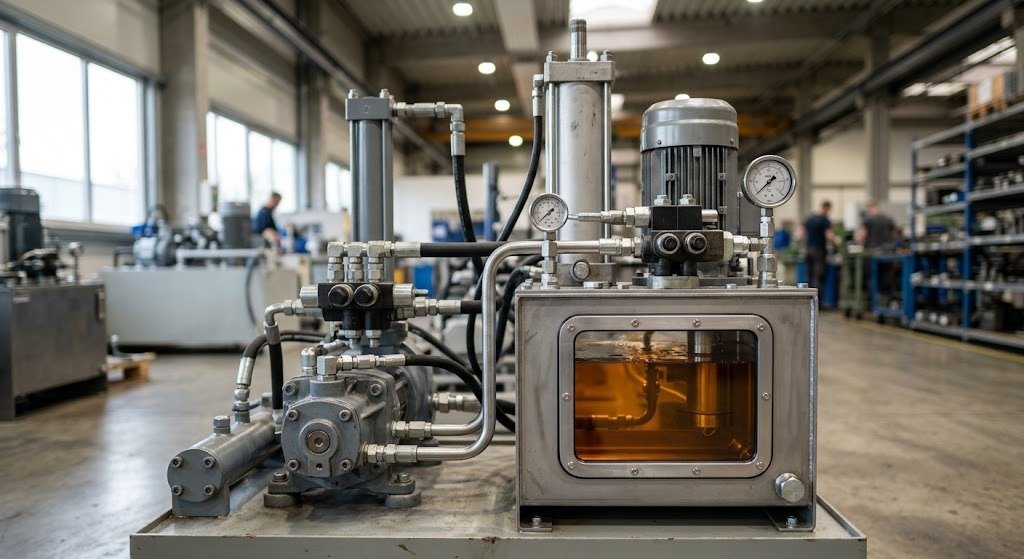
Hydraulic systems are the driving force behind countless industrial machines, construction equipment, agricultural machinery, manufacturing plants, and heavy-duty vehicles. From excavators and forklifts to hydraulic presses and injection molding machines, these systems rely on hydraulic oil to transfer power efficiently and protect critical components.
Hydraulic oil is much more than just a fluid. It acts as a power transmission medium, lubricant, coolant, sealant, and protective barrier against corrosion and wear. Choosing the wrong hydraulic oil can lead to reduced efficiency, overheating, increased maintenance costs, and premature equipment failure.
Selecting the correct hydraulic oil is one of the most important decisions for ensuring maximum equipment performance, longer service life, and reduced operating costs. This guide explains everything you need to know about hydraulic oils, including their functions, viscosity grades, types, selection criteria, maintenance practices, and the benefits of using premium hydraulic lubricants.
What is Hydraulic Oil?
Hydraulic oil is a specially formulated fluid designed to transfer power within hydraulic systems while simultaneously lubricating internal components. Unlike ordinary lubricants, hydraulic oil must maintain consistent performance under varying temperatures and pressures.
A premium hydraulic oil provides:
- Efficient power transmission
- Lubrication of moving components
- Heat dissipation
- Corrosion protection
- Oxidation resistance
- Contamination control
- Foam suppression
Without high-quality hydraulic oil, hydraulic pumps, cylinders, valves, and motors would experience excessive wear and reduced efficiency.
Why Hydraulic Oil is Important
Hydraulic systems operate under extremely high pressures. Every movement within the system depends on hydraulic oil flowing smoothly through pumps, valves, hoses, and cylinders.
Proper hydraulic oil helps:
- Transfer hydraulic power efficiently
- Reduce friction between components
- Prevent metal-to-metal contact
- Maintain stable operating temperatures
- Protect seals and internal parts
- Improve equipment efficiency
- Reduce maintenance costs
- Extend machinery life
Using poor-quality or incorrect hydraulic oil can quickly damage expensive hydraulic equipment.
Types of Hydraulic Oils
Mineral Hydraulic Oils
Mineral-based hydraulic oils are widely used in industrial machinery due to their affordability and dependable performance under standard operating conditions.
Synthetic Hydraulic Oils
Synthetic hydraulic oils provide superior thermal stability, oxidation resistance, and extended service life. They are ideal for equipment operating in extreme temperatures or continuous-duty applications.
Biodegradable Hydraulic Oils
Environmentally friendly hydraulic fluids are commonly used in forestry, marine, and agricultural applications where accidental fluid leakage could impact the environment.
Understanding Hydraulic Oil Viscosity
Viscosity is one of the most important characteristics of hydraulic oil. It determines how easily the fluid flows through the hydraulic system.
Common ISO viscosity grades include:
- ISO VG 32
- ISO VG 46
- ISO VG 68
- ISO VG 100
ISO VG 32
Suitable for cold environments and high-speed hydraulic systems.
ISO VG 46
The most commonly used hydraulic oil for industrial and mobile equipment.
ISO VG 68
Ideal for heavy-duty machinery operating under higher temperatures and loads.
Choosing the correct viscosity ensures proper lubrication and efficient hydraulic performance.
Key Properties of Premium Hydraulic Oil
A high-quality hydraulic oil should provide:
Excellent Wear Protection
Anti-wear additives protect pumps, gears, pistons, and valves from premature wear.
Superior Oxidation Stability
Premium oils resist oxidation, allowing longer service intervals and cleaner hydraulic systems.
Corrosion Protection
Special additives protect internal metal surfaces from rust caused by moisture contamination.
Foam Control
Anti-foam technology prevents air bubbles that reduce hydraulic efficiency.
Water Separation
Premium hydraulic oils quickly separate water, reducing corrosion and improving lubrication performance.
Thermal Stability
High-quality hydraulic oils maintain consistent viscosity under extreme operating temperatures.
Benefits of Using Premium Hydraulic Oil
Choosing premium hydraulic lubricants provides numerous advantages:
- Longer equipment life
- Reduced component wear
- Lower maintenance costs
- Improved hydraulic efficiency
- Better energy savings
- Cleaner hydraulic systems
- Longer oil drain intervals
- Reduced machine downtime
These benefits help improve productivity while lowering the total cost of ownership.
Applications of Hydraulic Oil
Hydraulic oils are widely used across multiple industries.
Common applications include:
- Excavators
- Cranes
- Forklifts
- Bulldozers
- Agricultural Tractors
- Hydraulic Presses
- CNC Machines
- Manufacturing Equipment
- Mining Machinery
- Marine Equipment
- Injection Molding Machines
- Industrial Automation Systems
Each application requires the correct hydraulic oil specification for reliable operation.
Common Hydraulic Oil Problems
Improper maintenance can reduce hydraulic system performance.
Common issues include:
- Oil contamination
- Incorrect viscosity
- Overheating
- Water contamination
- Air entrainment
- Sludge formation
- Oxidation
- Pump wear
Routine maintenance helps prevent these problems before costly failures occur.
Hydraulic Oil Maintenance Tips
Follow these best practices to maximize hydraulic system life:
- Inspect hydraulic oil regularly.
- Replace oil according to manufacturer recommendations.
- Keep reservoirs clean.
- Replace hydraulic filters on schedule.
- Prevent dust and moisture contamination.
- Monitor operating temperatures.
- Never mix incompatible hydraulic oils.
- Check for leaks frequently.
Proper maintenance significantly improves system reliability.
Frequently Asked Questions
How often should hydraulic oil be changed?
The oil change interval depends on equipment type, operating conditions, and manufacturer recommendations. Premium hydraulic oils generally provide longer service life than conventional oils.
What happens if hydraulic oil becomes contaminated?
Contaminated oil can damage pumps, valves, and cylinders while reducing system efficiency and increasing maintenance costs.
Can different hydraulic oils be mixed?
Mixing hydraulic oils is generally not recommended unless approved by the manufacturer, as different additive packages may not be compatible.
Why is hydraulic oil viscosity important?
Correct viscosity ensures efficient power transmission, proper lubrication, and reliable operation under varying temperatures and loads.